

Now Reading: Trump Slaps India with 50% Tariffs
-
01
Trump Slaps India with 50% Tariffs

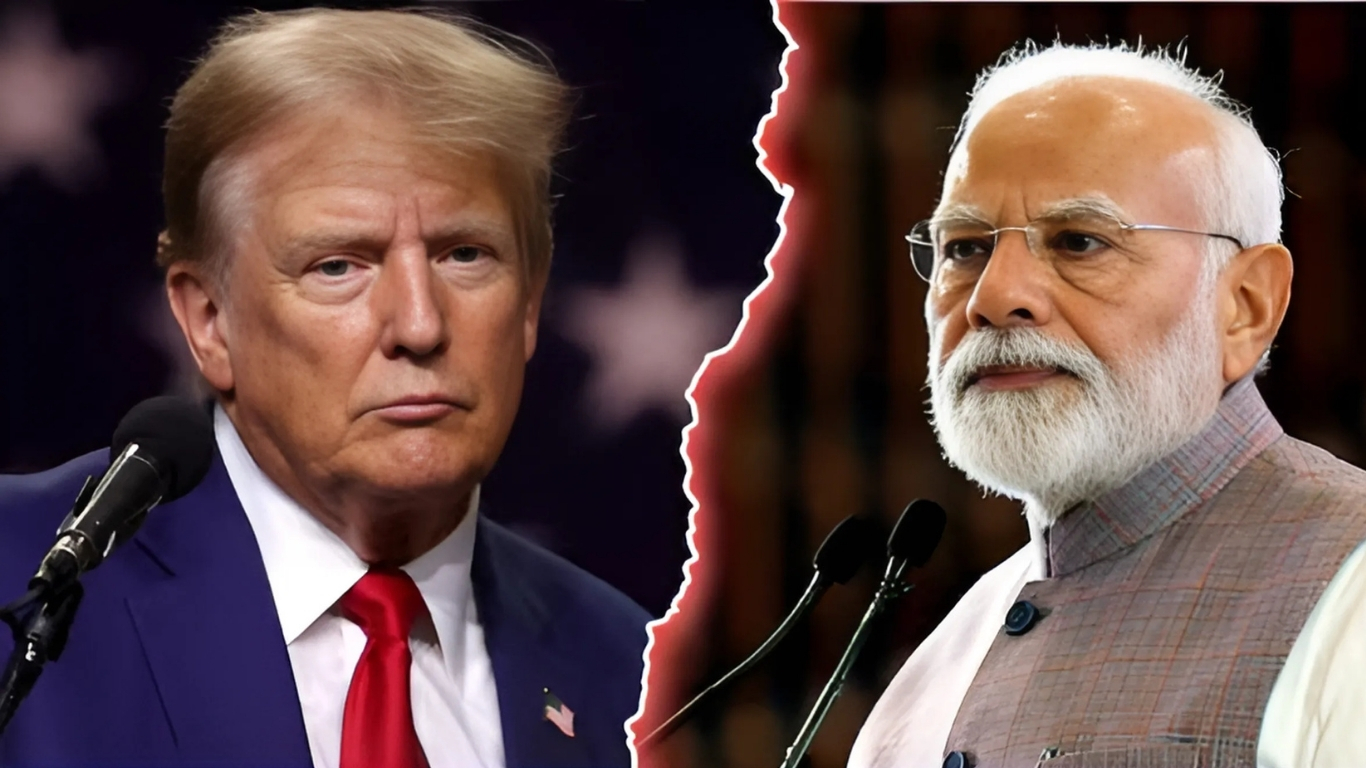
Trump slaps India with 50% Tariffs
In August 2025, U.S. President Donald Trump made a move that shocked the global trade world. He imposed a 50% tariff on several Indian products. The tariffs were introduced in two stages: initially, Trump applied a 25% tariff, and later he added another 25%. According to him, this decision was taken because India continued buying oil from Russia despite U.S. warnings. This sudden and significant increase in trade duties has created tension between the two countries and raised questions about the fairness and consequences of such measures.
The new Trump India tariff is one of the highest that India has faced from the United States in its history. It directly affects critical Indian exports such as textiles, gems, jewelry, and auto parts. While certain sectors, including pharmaceuticals and electronics, remain unaffected, the overall impact on India’s trade and economy is significant. Companies exporting these goods now face higher costs, which could make their products less competitive in the U.S. market.
India’s Stand on Russia and Oil Purchases
Despite mounting pressure from the United States, India has maintained its stance on buying oil from Russia. Indian leaders have clearly stated that their priority is the country’s energy security, saying, “We will buy oil where it is good for our country.” Currently, almost 50% of India’s oil comes from Russia, showing a strong economic and strategic partnership. This relationship is not limited to oil alone; India and Russia also collaborate extensively in defense and global politics.
The imposition of the Trump India tariff has highlighted a key challenge for India: balancing international diplomatic relations with national economic needs. Energy is a critical sector, and halting purchases from Russia could lead to higher domestic energy prices, which would affect millions of Indian citizens and slow down economic growth. India’s decision to continue buying Russian oil underlines the country’s commitment to its own development and the welfare of its population.
Impact on Indian Exports and Economy
The sectors most affected by the Trump India tariff include textiles, gems, jewelry, and automobile components. Indian exporters in these industries may face significant losses due to reduced demand in the U.S., which is one of India’s largest trading partners. This could lead to layoffs, lower production rates, and overall economic slowdown in affected industries.
Textiles, a major source of employment in India, are likely to feel the pinch the most. Many small and medium-sized businesses rely heavily on exports to the U.S., and higher tariffs could make their goods more expensive, reducing competitiveness. Similarly, the gems and jewelry sector, which contributes significantly to India’s export revenue, may struggle to maintain sales in a market where buyers are sensitive to price changes. Auto parts manufacturers will also face challenges, as higher tariffs could make Indian products less attractive compared to alternatives from other countries.
At the same time, sectors like pharmaceuticals and electronics are largely unaffected. These industries continue to export to the U.S. without additional barriers, providing some relief to India’s trade balance. However, the overall economic impact remains negative, as the affected sectors represent a substantial portion of India’s export revenue.
Geopolitical Consequences of the Trump India Tariff
The Trump India tariff is not just about trade; it has far-reaching geopolitical implications. By imposing these tariffs, the United States is signaling its willingness to use economic measures to influence India’s foreign policy, particularly concerning Russia. This move has drawn attention from other global powers, who are closely monitoring the developing situation.
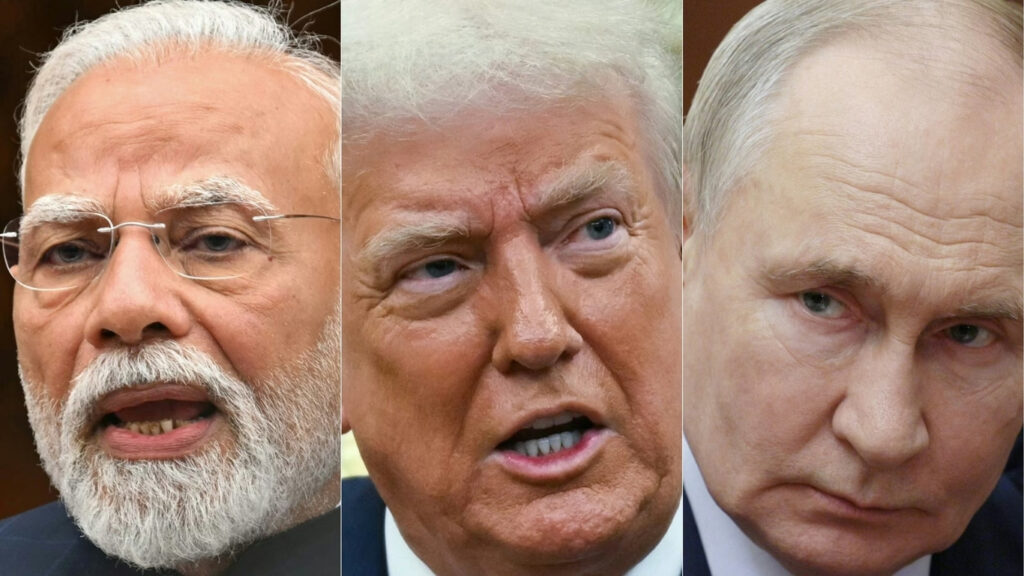
India may now be encouraged to strengthen its ties with Russia and China. A closer India-Russia-China alignment could form a strong group capable of challenging U.S. influence in trade and international politics. Such alliances could also give rise to a more multi-polar world, where power is distributed among several nations instead of being dominated by the United States.
BRICS, a coalition of emerging economies including Brazil, Russia, India, China, and South Africa, may gain further importance in global affairs. The tariffs imposed by Trump could inadvertently strengthen the position of this group, as countries look to counterbalance U.S. actions with strategic partnerships of their own.
Is Trump Right or Wrong?
The imposition of the Trump India tariff raises the question: is it a justified move or an unfair punishment?
From Trump’s perspective, the tariffs are meant to pressure India into reducing its oil imports from Russia. He believes that by targeting India economically, the U.S. can indirectly influence Russia’s revenue and, in turn, affect the dynamics of the Russia-Ukraine conflict. In this view, the tariffs are a tool of foreign policy aimed at achieving a broader geopolitical objective.
From India’s perspective, the tariffs are unfair. India has been a consistent partner of the United States, but it cannot stop buying oil from Russia without affecting its own economy and the welfare of its citizens. Cheap and reliable energy is essential for India’s growth, and cutting off Russian oil would lead to higher costs, impacting industries, businesses, and households alike.
Experts argue that the Trump India tariff may have unintended consequences. While it aims to punish India for its Russia ties, it could instead push India closer to Russia and China, reducing U.S. influence in Asia. Moreover, it risks undermining the trust and cooperation between the United States and India, which have been strategic partners in trade, defense, and global diplomacy.
Global Implications and Power Shift
The ripple effects of the Trump India tariff extend beyond India and the United States. It highlights the increasing use of economic tools as instruments of international policy and demonstrates how trade and politics are closely linked. Countries around the world are watching how India responds to this challenge, as it could set a precedent for how economic measures are used in global diplomacy.
If India strengthens its alliances with Russia and China, the balance of power may shift. A multi-polar world, with several strong economies and strategic partnerships, may emerge as a counterweight to U.S. dominance. The tariffs could also inspire other nations to reconsider their economic and diplomatic strategies, especially when dealing with major powers like the United States.
In addition, the impact on global trade could be significant. Higher tariffs on Indian goods may lead to changes in supply chains, with companies seeking alternative sources for products like textiles, jewelry, and auto parts. This could affect global markets and trade relationships in the long term.
Conclusion
The Trump India tariff of 2025 has sparked a complex debate involving trade, diplomacy, and global politics. For the United States, the tariffs are an attempt to pressure India to reduce its oil imports from Russia. For India, they are an unfair obstacle that threatens its economy and energy security. For the world, they signify a potential shift toward a multi-polar power structure.